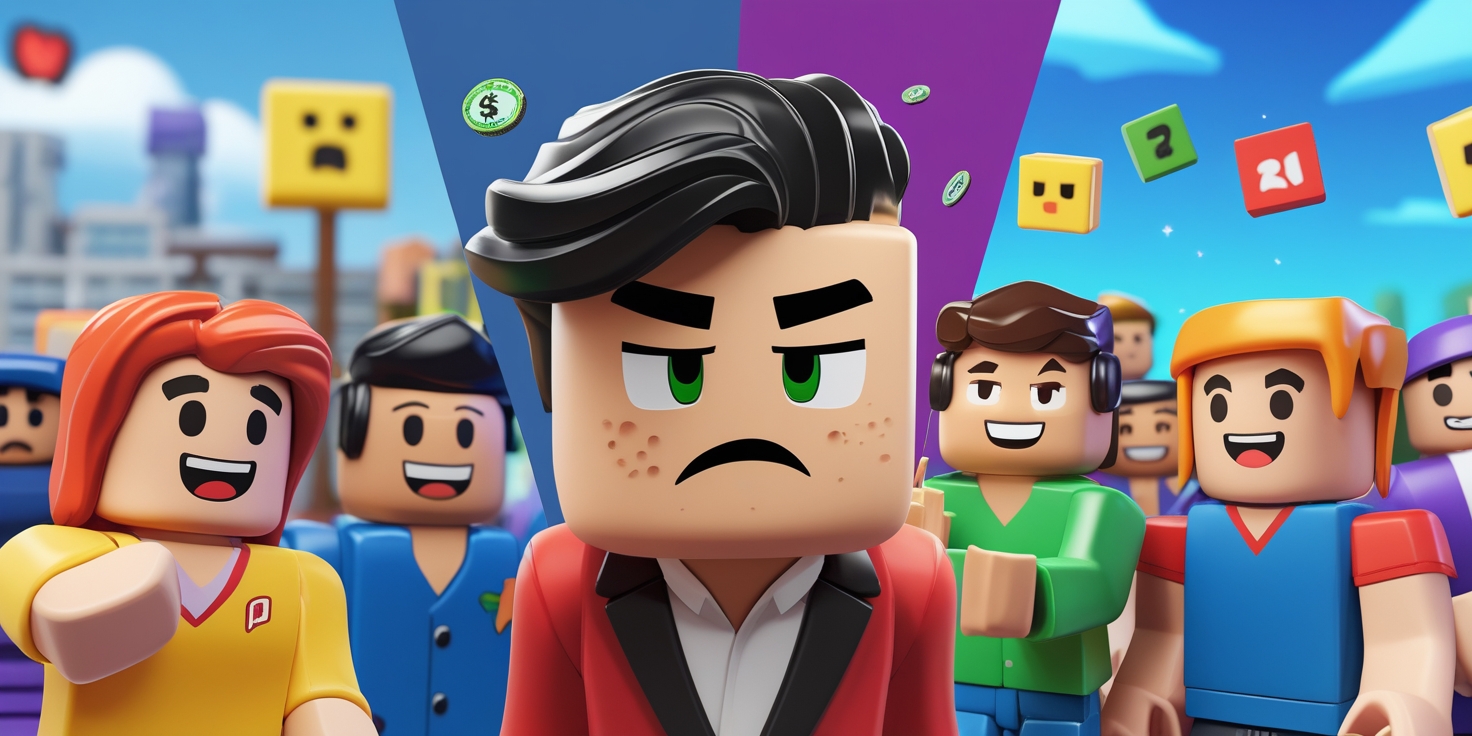
The Roblox developer earnings decline discussion has become one of the most talked-about topics in the community, with players and creators alike sharing opinions on why many developers are earning less than they used to. For years, Roblox has been known as a platform that empowers creators to build their own games and make real income from them. Some top developers have even turned their Roblox projects into full-time careers. However, recent trends suggest that earnings are not what they once were for many creators, prompting discussion, debate, and concern across social media, forums, and the Roblox developer community.
This blog post dives into what’s behind the current earnings slowdown, why players are complaining, how changes to monetization and user behavior contribute to the issue, and what possible solutions or adaptations developers are considering to navigate the evolving landscape.
Why Developer Earnings Matter on Roblox
Roblox is unique because it lets everyday creators build games and experiences that reach millions of players worldwide. These creators earn money through in-game purchases, premium payouts, and other monetization features such as developer products and game passes. For many, earnings are not just pocket change—they fund future development, pay for team members, and support careers.
When earnings decline, developers must ask tough questions: Is it because of platform policy changes, shifts in player behavior, new competition, or something else entirely? Players join the conversation because earnings influence what games are supported with updates, how frequently new content arrives, and the overall health of the Roblox ecosystem.
What Players Are Complaining About
In discussions across Discord servers, Reddit threads, and YouTube comments, players are echoing similar concerns:
- Fewer Updates: Some games that once received weekly content updates are slower to update now, which players notice.
- More Monetization Barriers: Players claim some trends feel “pay-to-win” or push expensive in-game purchases more aggressively.
- Less Innovation: With tighter budgets, some developers prioritize safe content over experimental features.
- Perception of Profit-First Design: Some players feel developers focus too much on monetization rather than pure fun.
These complaints reflect frustration not just with earnings decline but with how that decline may affect quality, frequency, and fairness in game design. Players want engaging experiences, and they notice when developer efforts feel constrained.
Key Factors Behind Earnings Decline
1. Changes in Roblox Monetization Policies
Roblox Corporation periodically updates how monetization works, including how premium payouts, developer products, and virtual item sales are calculated. Even small shifts in payout formulas can significantly affect creators’ bottom lines. Some changes are designed to rebalance incentives, but they can lower predictable earnings for long-established games.
2. Increased Competition on the Platform
As Roblox continues to grow, the number of games—and the number of developers—grows too. More competition means player attention is spread across more experiences. Games that once dominated player time may now share attention with many new releases, diluting engagement and monetization.
3. Player Spending Behavior
Shifts in player spending patterns also affect earnings. When economic conditions tighten or players become more selective about in-game spending, developers see fewer purchases. Free-to-play players may engage regularly without buying items, and players often demand value for their purchase, meaning monetization strategies must evolve.
4. Premium Payout Algorithm Changes
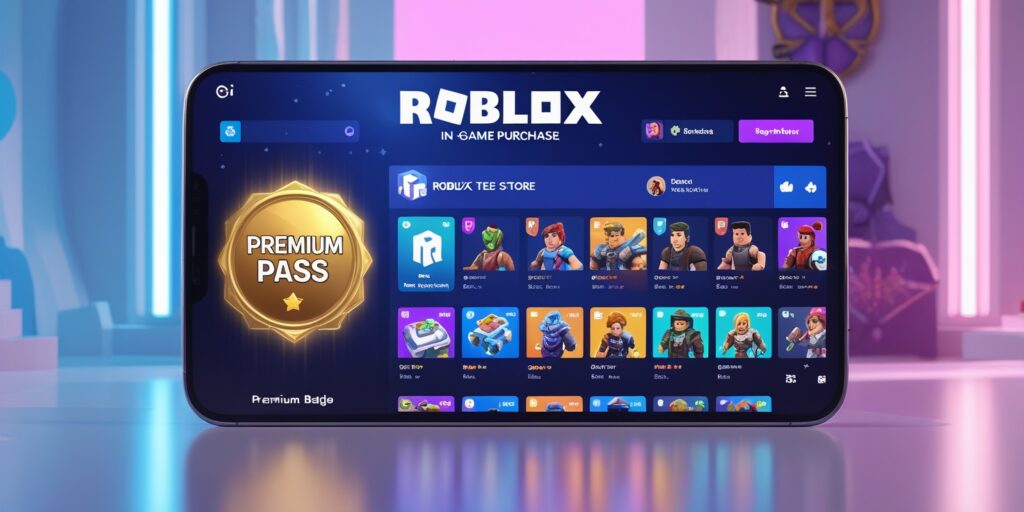
Roblox’s premium payout system distributes a portion of Premium subscribers’ revenue to developers based on engagement. Changes or fluctuation in how this system calculates engagement value can impact developer earnings, particularly for games that once earned heavily from Premium players.
5. Platform Fees and Marketplace Dynamics
Like other digital platforms, Roblox takes a cut of transactions. While this is standard practice, changes in marketplace dynamics or fee structure can impact how much developers ultimately keep after a purchase.
Player Sentiment: Fair or Not?
Players are not always aware of the full economic complexity behind Roblox earnings. Some feel developers should focus less on monetization and more on gameplay. Others argue that developers deserve compensation for their time, effort, and creativity.
Player sentiment often boils down to two opposing views:
- Players Who Want Fun First: These players feel games should feel fair and rewarding, with monetization that doesn’t interrupt or dominate the experience.
- Players Who Understand Business: These players recognize that developers need sustainable income to support ongoing updates and team costs.
Both sides have valid points. Balancing fun and sustainability is one of the hardest challenges in free-to-play game design.
How Developers Are Responding
Developers are adapting in several ways:
- Diversifying Monetization: Some creators experiment with new monetization features such as limited-time events, cosmetic upgrades, or recurring purchases that feel less intrusive.
- Focusing on Retention: Games that keep players engaged longer tend to earn more through Premium payouts and repeat purchases.
- Community Input: Developers increasingly solicit player feedback to balance monetization and enjoyment.
- Collaborations and Partnerships: Some developers team up with brands or other creators to expand visibility and earnings potential.
These strategies aim to create sustainable revenue streams while retaining a positive player experience.
The Broader Impact on the Roblox Ecosystem
When developers earn less, the ecosystem changes. Some smaller teams may disband or slow down content. Games with declining updates may lose players, creating a feedback loop. However, new developers also enter the space with fresh ideas, and competition can drive innovation.
The key for the platform’s long-term health is balancing monetization tools, platform support, and community standards to ensure creators can thrive without alienating players.
Is Roblox to Blame?
Blaming Roblox alone oversimplifies the situation. The platform provides the tools, audience, and monetization systems; however, earnings depend on many variables that extend beyond company decisions. Market trends, player behavior, competition, and economic shifts all play a role.
Roblox’s policies evolve to support long-term growth, security, and user experience. Sometimes that means adjusting payout systems or introducing new monetization tools that change how earnings are distributed. These changes are not always perfectly aligned with creators’ expectations, but they often aim to maintain platform stability and fairness.
Also Read: Devil Hunter Roblox Game Guide: Gameplay, Tips & Download
FAQ
Are all Roblox developers experiencing earnings decline?
No. Some games continue to perform strongly, but many long-established titles report lower earnings compared with previous periods.
Does Roblox take more fees now?
Roblox’s fee structure has not fundamentally changed, but marketplace and payout system dynamics evolve over time.
Does less monetization mean better gameplay?
Not necessarily. Well-designed monetization can coexist with strong gameplay if it respects player experience.
Can developers still earn sustainably on Roblox?
Yes. Many developers adapt strategies to maintain or grow earnings.
Will Roblox fix the earnings issue?
Roblox periodically updates its monetization systems and tools, but solutions depend on community feedback and long-term strategy.
Are players overreacting?
Player emotions are real, but understanding the economics helps add nuance to the discussion.
The Roblox developer earnings decline discussion reflects broader trends in platform economics, player behavior, and monetization. While changes to payout systems and increased competition play major roles, players’ frustrations also stem from noticeable effects on game updates and perceived monetization pressures. For developers, adapting to these changes means experimenting with new strategies, balancing fun and revenue, and engaging with their communities more deeply. The Roblox ecosystem continues to evolve, and understanding both sides of the conversation helps players and creators navigate these shifts with more clarity.
🔥 Related Posts
How to Create a Roblox Account Step by Step (Complete Beginner Guide)

Roblox VNG for Android — Complete 2026 Guide
Roblox Codes List: How to Find Working Codes Safely in 2026

Roblox Stock (RBLX) — A Deep Dive for U.S. Investors
Roblox Download: How to Play the Best Roblox Games in the U.S.